
Vacuum Casting
Vacuum casting typically starts with a master pattern and a silicone mold. Use it where small batches, a model-quality surface or a controlled fit comparison matter more than matching the final production tooling.
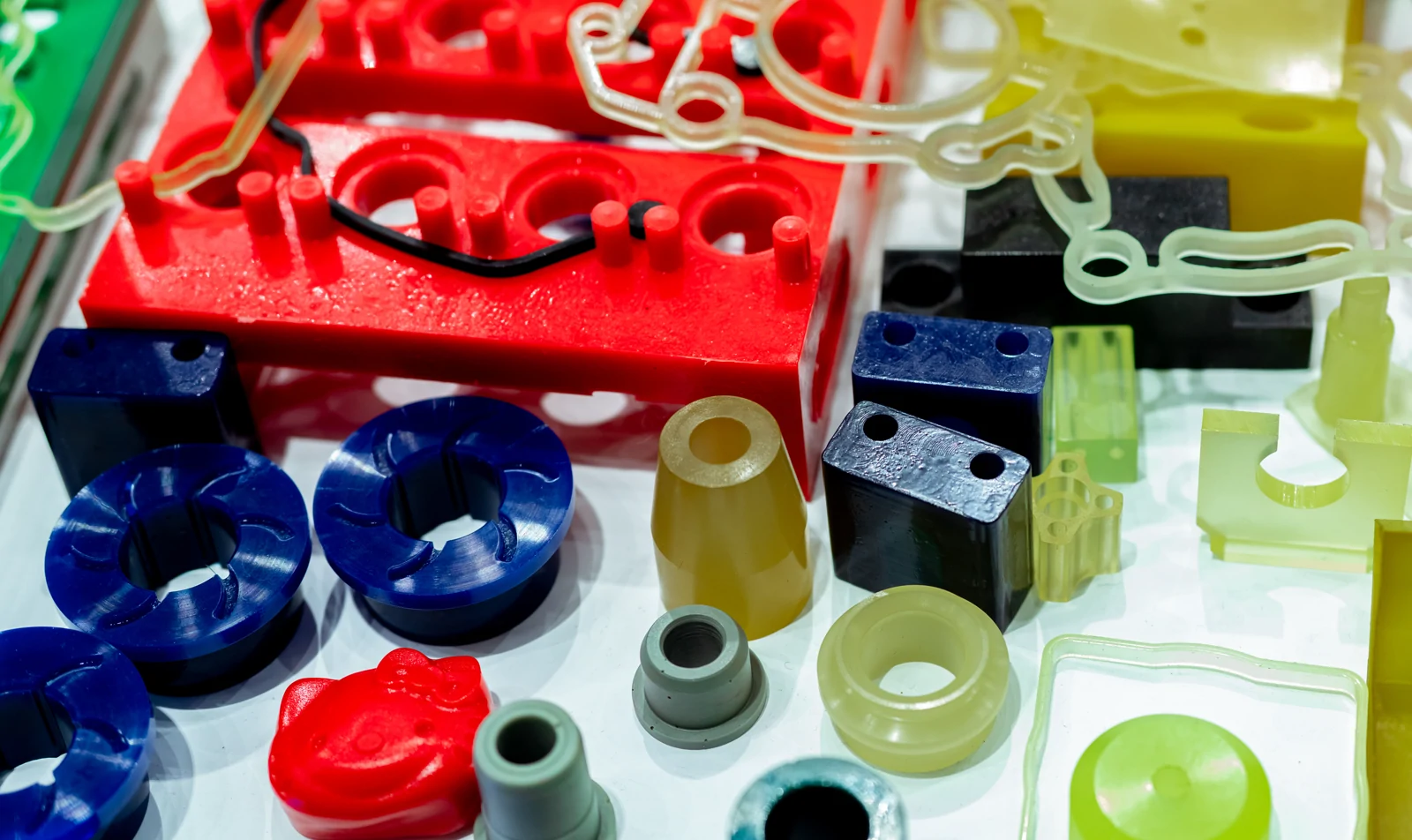
Process options and part features
Explore short-run polymer parts based on a master pattern when the project needs several samples with a consistent appearance or fit.
Master pattern
Approve the master geometry and finish before building the mold. The condition of the master influences what transfers to the cast parts. Mark visible surfaces or areas that need controlled texture.
Mold layout and part release
Review splits, vents and access around undercuts. Flexible molds can release some geometries that present difficulties in rigid tools, but each part still needs practical access and a clear plan for trimming.
Resin and secondary work
Select the casting material using intended stiffness, flexibility, clarity, appearance and service conditions. Plan inserts, machining, coating or assembly as separate steps if they affect the finished fit.
Match the short run to the evidence you need
Put the critical requirements in the drawing package before requesting a quote.
Geometry and draft
Show the assembled part, undercuts and thick sections. Call out where a split or trimming witness is acceptable. Review whether the part can be removed without stressing delicate features.
Finish, color and transparency
Separate opaque, translucent and clear appearance needs. For matched assemblies, supply a physical sample or a reference under the intended lighting and identify adjacent parts to compare together.
Critical dimensions
Mark functional dimensions around enclosure seams, fastener locations and mating faces. Discuss how resin and mold behavior may influence the final dimensions, then approve a representative sample.
Batch and downstream use
State intended quantity, sample approval plan and next production stage. A cast resin may be suitable for a demonstration or a fit study while a production process requires separate validation.
Example brief for a presentation enclosure
Identify the visible top face, seam and any window detail. Supply the two mating shell models together and show how fasteners or inserts are installed. Approve a first set under the intended lighting and retain it as the reference for the next units.
Common quoting questions
Can an existing master be reused?
A supplied master can be reviewed for size, finish and release features. Identify any existing repairs or surface details that should carry through into the cast parts.
When should I consider injection molding instead?
Compare the expected lifetime quantity, tool cost, material requirements and planned revisions. When the intent is sustained repeat production, tool samples may be needed to validate the molding-specific details.
Send the current model and drawing
Include the revision, material, finish, quantity and any measurement or sample-approval requirements.