A manufacturing discussion should start with a part that has a job to do. Bring the design, the assembly requirements and the decision your next build needs to support.
A drawing-led review makes it possible to compare processes using the same geometry, material, finished condition and order quantity.
Clarify the application
Describe how the part is installed, loaded, cleaned or handled. Mark the locating surfaces, major interfaces and cosmetic faces. Identify where the design can still change.
Review manufacturing choices
Compare machining, additive prototyping, casting, molding or formed sheet according to the part design. Evaluate changes in geometry, material or finish before accepting a different route.
Define the acceptance evidence
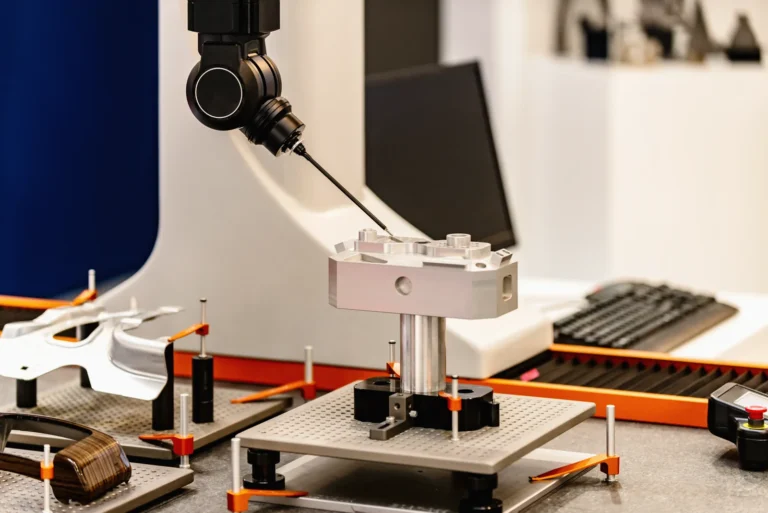
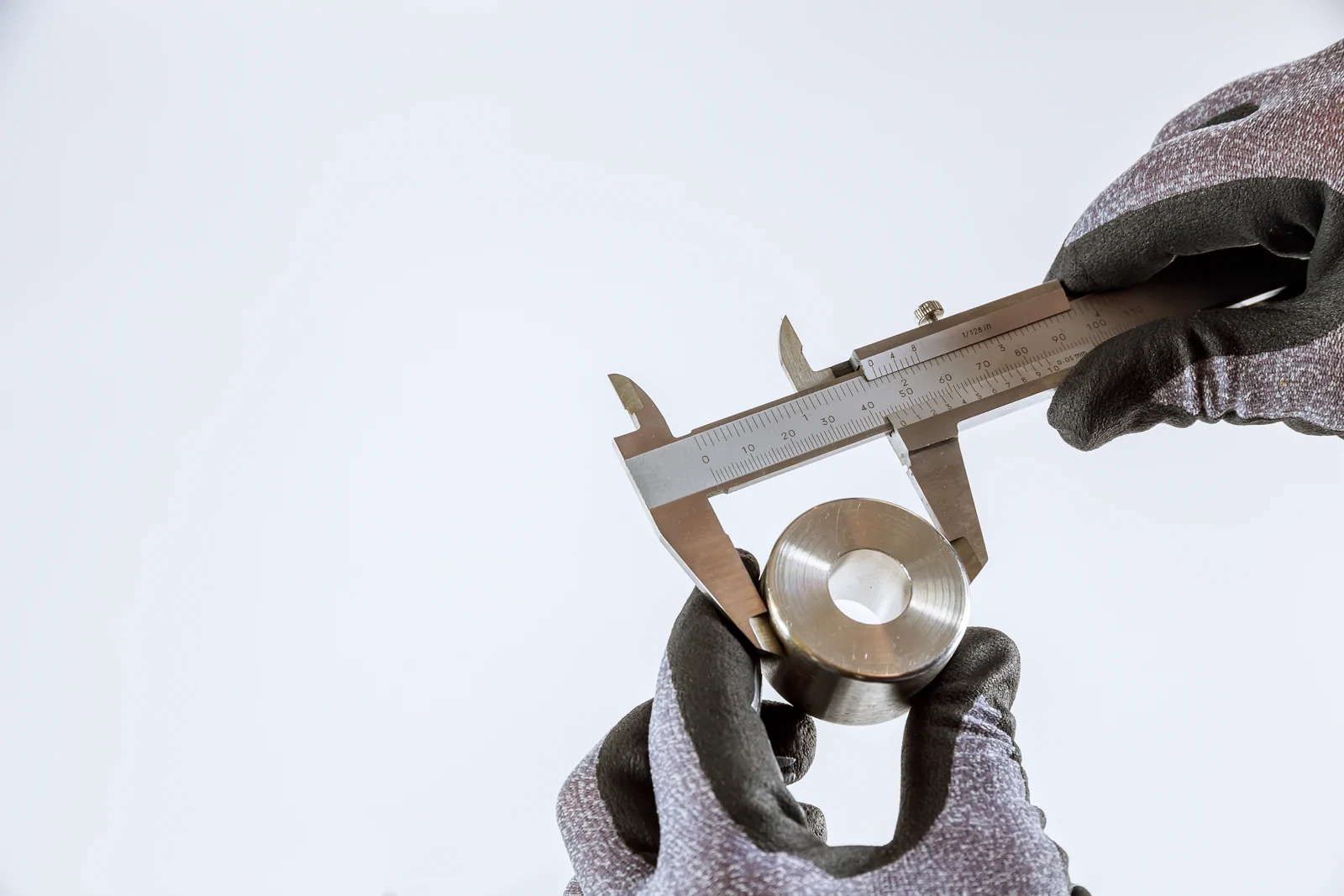
State the dimensional records, sample, assembly check or material documentation that will be used for approval. Specify the part condition when measurements are taken.
Keep the approved revision with the order
Use the same model revision, dimensioned drawing and finish description throughout quoting, the first sample and repeat orders. Record any approved change and identify whether it applies to open lots or future production.
Engineering review
Check manufacturability against the mating parts, operating conditions and appearance requirements.
Sample approval
Keep fit findings, inspection evidence and any approved exceptions with the sample revision.
Repeat order planning
Reference the released drawing, forecast and lot or packaging requirements at reorder time.
Get a review of your part
Share one model, one matching drawing revision and a clear statement of what the finished component needs to do.